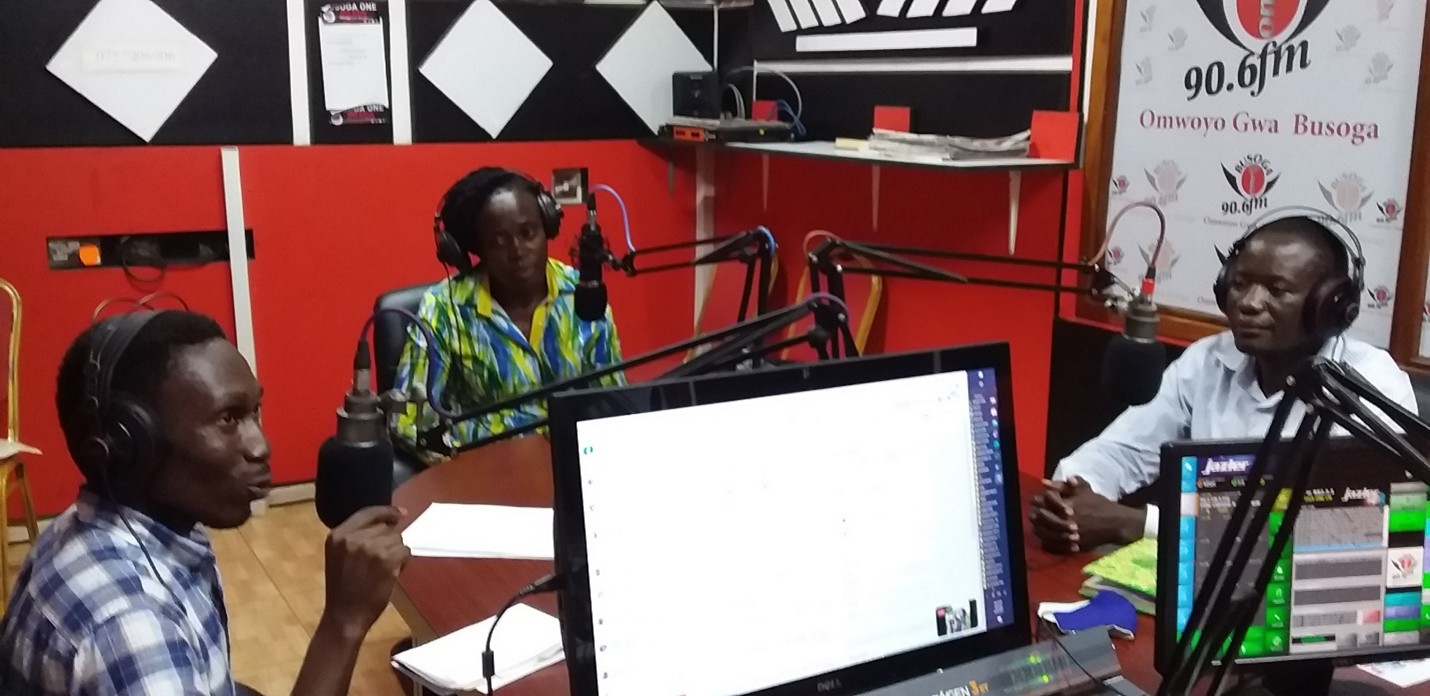
Radio talk show on Akwenda cerebral palsy programme
Radio talk show on Akwenda cerebral palsy programme Radio talk show on Akwenda...
The Children’s Disability Training and Advocacy Network (CDTAN) is a registered non-profit, community-based organization founded in Uganda. It envisions a country where every child with a disability is valued, lives with dignity, and enjoys equal rights and opportunities.
To empower children with disabilities and their families with the skills and knowledge to take control of their own lives and actively seek out opportunities to achieve their full potential.
A country where every child with a disability feels valued, lives a dignified life, and enjoys equal rights and opportunities.
Through our programs, we have reached over 100+ people, providing essential resources, training, and advocacy that have transformed lives.
The core is a series of seven workshops for caregivers of children with disabilities. This workshop series is based on the Malamulele Onward Carer-2-Carer Training Programme (MOC2CTP). Four caregivers of children with disabilities from Goma have been identified and trained…
to lead the workshops following the detailed MOC2CTP manual. Trained pediatric occupational and physiotherapists runs monthly practical sessions for groups of caregivers, based on the material covered in the caregiver-led workshops. The emphasis of the practical sessions is on active caregiver participation and includes training caregivers to facilitate their children’s active participation and engagement. The sessions are structured such that the therapists are able to give each child individual attention during group activities. The parent facilitators assist the therapists during these practical sessions. The therapists in addition run four workshops that include; Technical assistive devices (TADs); goal-based training; nutrition andpilepsy. To ensure consistency and quality, a therapist manual was developed for the intervention.
Goal-directed training is a child-active, motor learning approach. Several studies have demonstrated successful goal-directed programmes in high income countries, while there are no reports from low and middle income countries.
The child and caregiver, supported by a therapist, identify three realistic goals and create action plans for how to achieve them through daily training and practice in the home environment. The goal-setting procedure starts during the fourth month. By this time, the therapist has become acquainted with the child, and the caregiver has attended the caregiver-led workshops and hence have a more realistic understanding of the child’s potential. Children-issued TAD have a fourth goal relating to their use.
TADs are an important part of evidence-based rehabilitation, promoting greater independence and enabling children to perform tasks they were formerly unable to accomplish within mobility, self-care, eating and communication domains.
Each child’s need for TAD is assessed by therapists at the start, and the children and caregivers are involved in deciding what TAD they need.TADs are an important part of evidence-based rehabilitation, promoting greater independence and enabling children to perform tasks they were formerly unable to accomplish within mobility, self-care, eating and communication domains. Each child’s need for TAD is assessed by therapists at the start, and the children and caregivers are involved in deciding what TAD they need.
The communication and advocacy (C&A) component addresses stigma, discrimination and exclusion of children with disabilities, and is based on Communication for Development, a systematic and evidence-based strategy
to promote positive social and behavioral changes. The broad themes for C&A are human rights of children with disabilities and barriers to services and how to overcome them. C&A is run by a community social worker using community meetings and radio talk shows. Community meetings involve political and religious leaders, teachers and health workers. Caregivers and community stakeholders participate in a joint meeting to develop a community action plan for how to make services more inclusive.
At CDTAN, we are committed to improving the lives of children with disabilities and their caregivers in the Iganga Mayuge districts of eastern Uganda. Our journey began with a disturbing realization from recent studies in the area.
Children with cerebral palsy in our community were facing alarmingly high mortality rates due to malnutrition and severe impairments. Research revealed a stark contrast between children with cerebral palsy were 25 times more likely to die, with severe malnutrition and impairment being significant contributing factors. Specifically, those who were severely malnourished were three times more likely to die, with those with severe impairments were six times more likely to die compared to their peers with mild impairments.
Recognizing the interlinkages between malnutrition and disability, an earlier tested caregiver-led nutrition intervention informed by the practices of caregivers of well-nourished children with cerebral palsy in this community will be used to address the critical issue of malnutrition, which is a major contributor to mortality and morbidity among children with disabilities.
In a recent study, this nutrition intervention was tested alongside the Akwenda multidimensional intervention, which aimed to improve disability outcomes for children with cerebral palsy in the Iganga Mayuge area. The results were remarkable: children who received both interventions experienced a significant weight gain of 770 grams, compared to those who received only the nutrition intervention (500 grams). These findings underscored the importance of addressing both nutrition and disability needs to improve the survival prospects and functional abilities of children with disabilities.
Building on the promising results, our organization is committed to implementing this evidence-based nutrition intervention among children with disabilities who will benefit from our services. By providing targeted nutrition support, we aim to improve the survival prospects and functional abilities of these children, enabling them to thrive and reach their full potential.
At CDTAN, our goal is to empower children with disabilities and their families by providing essential resources, training, and advocacy. Our key objectives are:
We provide accessible programs to equip families with the knowledge and skills needed to support the participation and well-being of children with disabilities in both home and community settings.
Through community-driven awareness campaigns and policy advocacy, we work to eliminate barriers and foster inclusion for children with disabilities.
By partnering with government entities and civil society organizations, we strengthen disability programs and ensure more children receive the support they need to thrive.
At CDTAN, our passionate and experienced team is committed to advocating for the rights and well-being of children with disabilities. From program coordinators to field officers, each member plays a vital role in creating inclusive communities and empowering families.
Advisor to The Board & Management.
Chairperson Board of Governers
Board Member (MBChB, MPH, Dip Global Health)
We are committed to creating an inclusive society where children with disabilities are valued, supported, and empowered. Through advocacy, training, and access to essential services, we work alongside families and communities to ensure every child has the opportunity to thrive.
Stay informed with the latest insights, success stories, and advocacy efforts in supporting children with disabilities. Explore our articles on inclusive education, healthcare, caregiver support, and community initiatives.
Radio talk show on Akwenda cerebral palsy programme Radio talk show on Akwenda...
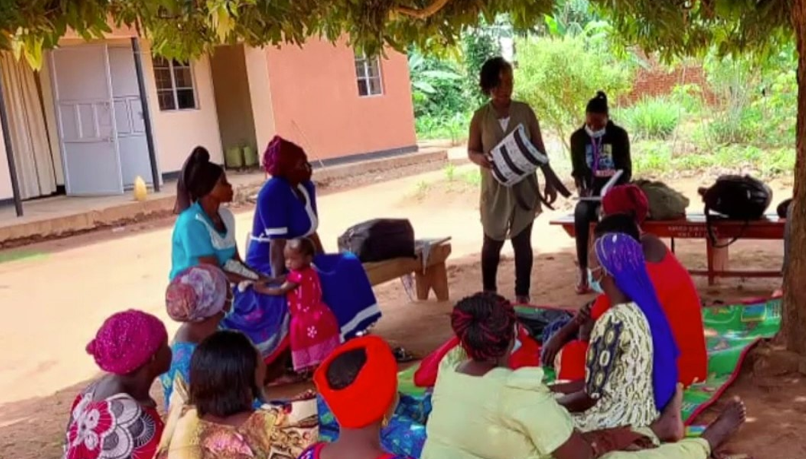
This was done to evaluate the efficacy of the Akwenda Intervention Program on...
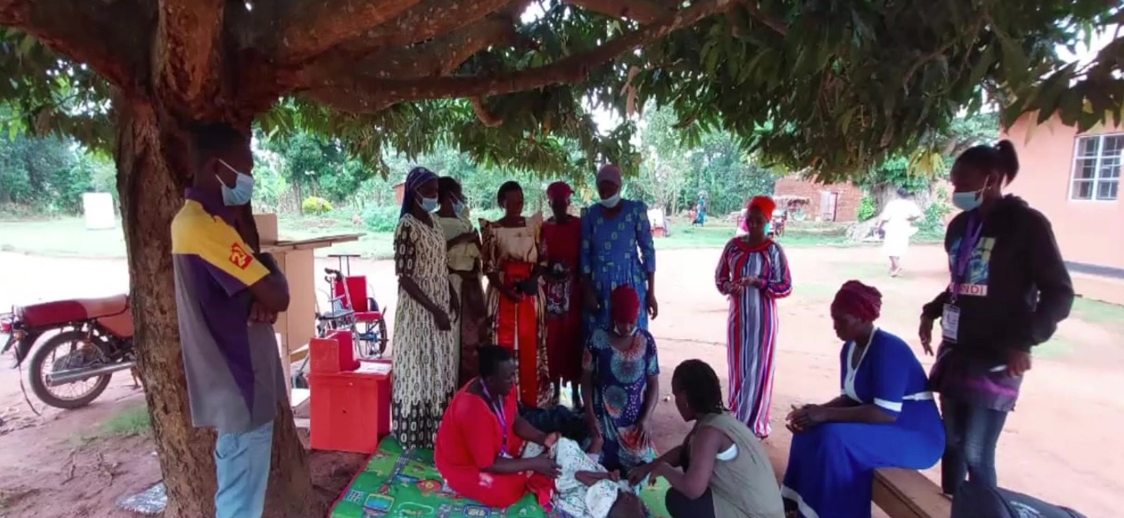
This was done to compare the participation attendance and involvement of children and...
Every donation, every act of kindness, and every moment of advocacy brings us closer to a world where children with disabilities are valued, empowered, and included.
(CDTAN) is engaging, empowering, enabling growth and independence among children living with disabilities and their families.

Copyright © 2025 CDTAN
A dedicated and passionate person/ volunteer who believes that true community is built on inclusion, not just integration. My goal is to ensure that every child living with a disability/additional support needs has the support and tools they need to live an independent fulfilled life.
Namaganda Lukia Hamid is a specialist in Public Health, with a strong focus on epidemiology and research methodologies. She obtained her PhD in Public Health from the Makerere University School of Public Health, where she also completed her Master of Public Health (MPH) and Bachelor of Environmental Health Science (BEHS) degrees. Her research primarily investigates health disparities affecting children and adolescents with disabilities, as well as issues related to injury-related disabilities, rehabilitation, and community living. Dr. Namaganda has contributed to esteemed international journals with her research findings and is proficient in academic writing. Furthermore, Dr. Hamid is an active member of the Research Ethics Review Board at the Islamic University in Uganda (IUIU), where she plays a vital role in ensuring the adherence to and advancement of ethical standards in research.
He is a qualified physiotherapist with notable experience in pediatric rehabilitation spanning over five years. He has been involved with the Akwenda intervention program at Makerere University School of Public Health, where he served as a trainer for both therapists and parents/caregivers who aimed to become facilitators or trainers themselves. He continues to engage with parents at Pro-Uganda: New Life Orthopaedic Centre in Mukono.
Is a human resources graduate who is enthusiastic about engaging with individuals and fostering organizational growth.
He is a dedicated professional social worker with a strong commitment to advocating for the rights of individuals with disabilities, a field in which he has accumulated over seven years of valuable experience in community-based rehabilitation. He has served as a Community-Based Rehabilitation Officer for the Akwenda intervention program affiliated with Makerere University School of Public Health, where he created a communication and advocacy component, led various communication and advocacy sessions, and also co-authored. http://doi.org/10.1111/dmcn.16258. Which was developed and validated to evaluate the involvement of children with disabilities at both family and community levels. Additionally, he worked as a social worker with Ekisa Ministries and Children’s Home, where he championed the rights of children with disabilities, initiated community center outreach programs that allowed children with disabilities and their caregivers to access physiotherapy services and facilitate family reunification. He has also held positions as a field officer with BUVAD (Butakola Village Development Association), worked with Busia Youth and Children’s Ministries Uganda, and was a research assistant at World Vision. Throughout all these roles, he has consistently focused on advocacy, promotion of rights, empowerment and capacity building to help communities lead dignified and meaningful lives. Furthermore, he has received additional training in child protection from UNICEF, completed the Beyond Suffering program from Africa Renewable University, studied paper technology, obtained Good Clinical Practice certification from the NIDA Trial Network, participated in an Entrepreneurship and Business Skills program through Enterprise Uganda, and attended a Parenting Class at Abide Family Center.
Is a nursing officer by profession with 8 years of experience working at Jinja National Referral Hospital in the pediatric ward, where she addresses early childhood complications and congenital abnormalities. Her additional responsibilities include performing phlebotomy and aseptic sample collection, managing early childhood illnesses, and conducting emergency triage. She salso assits in resuscitating infants and managing burns, sickle cell crises, as well as anemia. Additionally, she provides care for severe acute malnutrition and moderate acute malnutrition.
She is a public health expert and clinical researcher with 12 years of experience in HIV/AIDS care and treatment, clinical research, and is currently employed as a health consultant with BDO East Africa, working under the Office of the Prime Minister to evaluate local government performance. Presently, she is pursuing her PhD in Public Health at JOOUST University in Kenya, supported by the East African Scholarship. In addition, she holds a postgraduate diploma in Global Health, and her aspiration is to achieve good health for all, driven by her passion for humanity; her motto is “One Health, One World.” She draws inspiration from individuals who consistently persevere. Her areas of expertise include *TB Clinical Management *Quality Improvement *Accurate Data Documentation *Program Management *Health System Strengthening *
Dr. Gillian Saloojee is a pediatric physiotherapist who focuses on assisting children and young adults with disabilities and their families in rural, under-resourced African environments. She founded and previously served as the Executive Director of Malamulele Onward, a non-profit organization that offers therapy services and training for caregivers of children with cerebral palsy in impoverished rural areas of Southern Africa. She is presently engaged in various research initiatives aimed at children and youth with disabilities in low-resource settings and acts as an early intervention consultant for UNICEF.
Hans Forssberg serves as a Professor of Neuroscience at Karolinska Institutet and is a Consultant in Neuropaediatrics at Astrid Lindgren Children’s Hospital in Stockholm, Sweden. He played a key role in establishing the International Alliance of Academies of Childhood Disability and has held the position of its inaugural president. He has previously chaired the European Academy of Childhood Disability, served as dean, and was vice president of Karolinska Institutet; he has also been a member of the Nobel Committee for Physiology or Medicine.
His studies have concentrated on children who experience neurodevelopmental disorders; covering translational research related to the mechanisms behind motor and cognitive impairments, as well as clinical research focused on creating innovative methods for assessment and intervention. In recent years, he has redirected his attention towards research on the global health of children with disabilities, especially in low- and middle-income nations. He has authored approximately 250 original research papers and ranks among the most cited global authorities on neurodevelopmental disorders (over 36,500 citations; h-index=86; Google Scholar). Currently, he serves as an expert adviser to UNICEF on a project that aims to formulate, execute, and assess global recommendations for the universal early identification and intervention for children experiencing developmental delays and disabilities, specifically intended for implementation in resource-limited environments.
He is a qualified Physiotherapist and serves as the Director of Agape Rehabilitation Initiative Uganda, driven by a commitment to help others in every manner that God allows him to. His experience includes working at Cure Hospital, Ekisa Ministries and Children’s Home, Kagando Mission Hospital, and Sports Club Villa. Additionally, he has received training in trauma healing, paper technology, and holds a certificate as a trainer of trainers for pastors and leaders in biblical studies.
He is a professional social worker committed to utilizing opportunities and resources to provide servant leadership and transformational services, emphasizing child well-being and community development. Currently, he holds the position of Project Director at the Vumgbala Child Development Centre, a Compassion-assisted initiative in Moyo district. He has previously worked as a program officer for Initiative for Peace and Development Uganda, a community facilitator for the Water School Busia Project, and a child sponsorship development assistant at World Vision in Busia area program. He has also received additional training in monitoring and evaluation and education.